
hard-learned lessons from startup failure
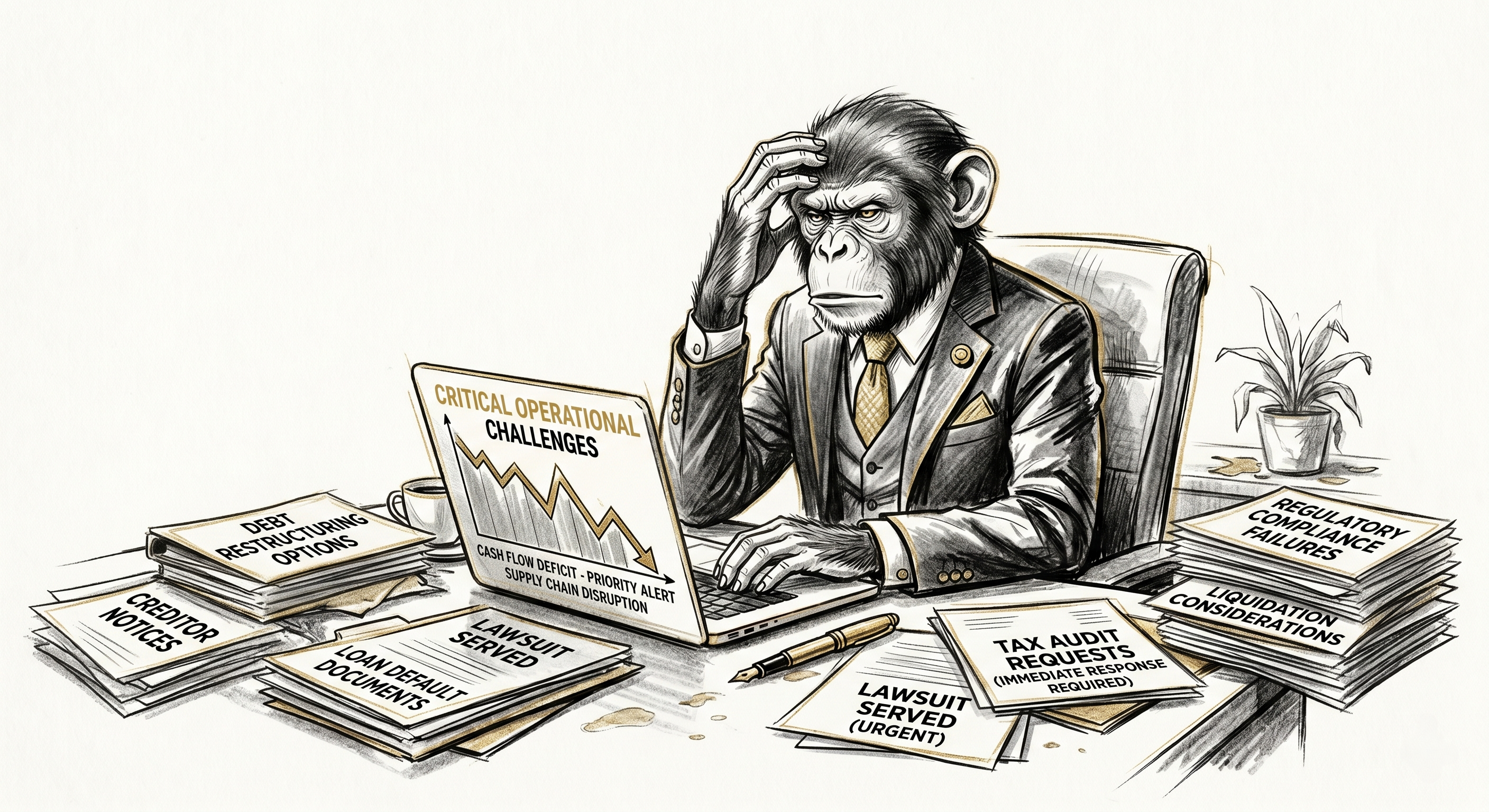
starting a business is often painted with glamorous stories of freedom, success, and financial heights. but for me, this journey left real scars—hard-learned lessons paid for with time, money, and the ultimate collapse of a business.
failure is not the end, but the most honest mirror reflecting our own shortcomings. here are the invaluable lessons i have drawn after looking directly at the failure of my own startup.
lesson 1: starting in the dark without a compass
the biggest mistake and the root of all subsequent deviations was diving into business without a clear direction. i started in a rush, completely lacking a concrete and feasible business strategy.
- blind to the market: i did not clearly understand the market i wanted to target. i only saw the surface of the opportunity while completely ignoring deep research into actual customer needs and competitor dynamics.
- absence of a core product: my business did not have any strong core or hero product to act as a business anchor. spreading our resources thin without a sharp focus left us virtually invisible in the market.
- neglecting branding: i failed to build a clear brand. as a result, our business remained nameless and almost nobody knew of our existence in the market.
lesson 2: leadership illusions and team-building errors
managing people is always the hardest puzzle, and this is where i made my most critical mistakes in both mindset and leadership methods.
- acting like a boss instead of a leader: my leadership skills were extremely poor. instead of inspiring and guiding the team like a true leader, i acted like a boss—imposing, controlling, and creating distance.
- hiring based on emotion and blind trust: i chose personnel based on emotions and personal trust rather than professional competence and cultural fit. this led to a fragmented, highly inefficient team.
- vague task delegation: there was no clear delegation of tasks and no detailed job descriptions (jds) for each position. people worked on whatever came up, leading to overlapping duties and dodging responsibility.
- biting off more than we could chew: before building a strong enough team, i rushed into executing too many things at once, which overloaded the system and caused it to break.
- misalignment with the co-founder: my co-founder and i were not aligned on the same vision. everyone did their own thing, pulling toward different goals, which fractured our unity and divided the company's energy.
lesson 3: the trap of premature scaling and value illusions
as soon as there was a faint positive signal, i rushed into unrealistic scaling decisions, losing control of our resources.
- scaling too fast on debt: i decided to upscale the business hastily before our foundation was solid, forcing us to borrow money from the bank to fund the expansion. this became a heavy financial burden dragging the company down every single day.
- delusions about the value of partying: every month, i constantly immersed myself in partying and socializing with employees and partners. i naively thought this was creating connection value and new opportunities. in reality, it only drained expenses and generated zero revenue.
- failing to build a strategic partner network: social partying could never replace a substantive strategic partner network. i failed to establish business alliances that could truly generate long-term synergistic value.
lesson 4: financial and data blindness
a business cannot survive if its head is blind or indifferent to financial numbers. my complacency in cash flow management pushed the company into a dead end.
- neglecting cash flow and bookkeeping: i failed to manage the company's cash flow effectively, keeping us in a constant state of reactivity. i also failed to closely monitor the company's books, letting transactions occur without strict reconciliation.
- over-reliance on outsourced accounting: instead of mastering the financial picture myself, i delegated everything and became completely over-reliant on outsourced accounting services. by the time i discovered the loopholes, it was already too late.
- no monthly metrics measurement: there were no key performance indicators (kpis) or operational metrics measured on a monthly basis. we ran the business entirely on gut feeling rather than actual data.
conclusion
the lessons above are an extremely high price i had to pay for my own immaturity and arrogance when entering the path of entrepreneurship. looking back at this failure is not for self-pity or regret, but to reposition myself, correct flawed mindsets, and prepare better for future journeys. starting a business is not for pink dreams; it is a battle of discipline, hard numbers, and genuine leadership.